




RePrime
Plans & Pricing
Get a quote
Systems

On-grid solar

Your roof runs the house. The grid becomes your battery.

No battery to buy or replace
PM Surya Ghar subsidy on DCR panels
Payback in 3 to 5 years
Get a quote
Compare with a battery
Rooftop solar array above a family terrace
Highlights

Why most Indian homes pick on-grid

The grid stores your surplus, the app shows every unit, and nothing costs less to install or run.

Wiring beneath the array
0 Batteries to buy or replace

The grid stores your surplus. Units you export by day come back at night through the net meter, so there is no battery bank to buy today and no replacement bill in year eight.

Generation chart in the RePrime app
Hourly Generation you can read

Units produced, units exported and rupees saved, hour by hour, in the RePrime app — the same figures your DISCOM settles against, so the bill never surprises you.

Panel clamp being torqued
Lowest Cost of the three types

Of on-grid, off-grid and hybrid, a grid-tied system costs the least to install and to run, and it is the type PM Surya Ghar subsidises by system size.

At a glance

On-grid, in numbers

None Battery needed
₹30k–78k PM Surya Ghar subsidy by size
3–5 yr Payback
3–10 kW Typical home system
25 yr Panel performance warranty
1–2 days On your roof
Net meter Export credited, not estimated
70–90 % Typical bill cut
Rooftop inverter cabinet at commissioning
How it happens

Five stages on site, in four frames

Rooftop site assessment 01 Site assessment Shade, tilt, load

Panels clamped to the rails 02 Mounting & clamping To torque spec
Junction box wiring 03 Wiring & earthing DC to AC to meter
Commissioning at the inverter 04 Commissioning Live monitoring on
Engineer walking a rooftop array
What the subsidy does

The cheapest of the three system types, subsidised

PM Surya Ghar takes up to ₹78,000 off, the net meter credits every exported unit, and there is no battery to replace in year eight.

₹78,000

Maximum central subsidy

3–5 yr

Payback

0

Batteries to replace

“The subsidy paperwork was prepared for us automatically. We just reviewed and signed — the credit landed the next month.”

Meera Iyer — homeowner, Bengaluru
In the field

From the first panel to the net meter

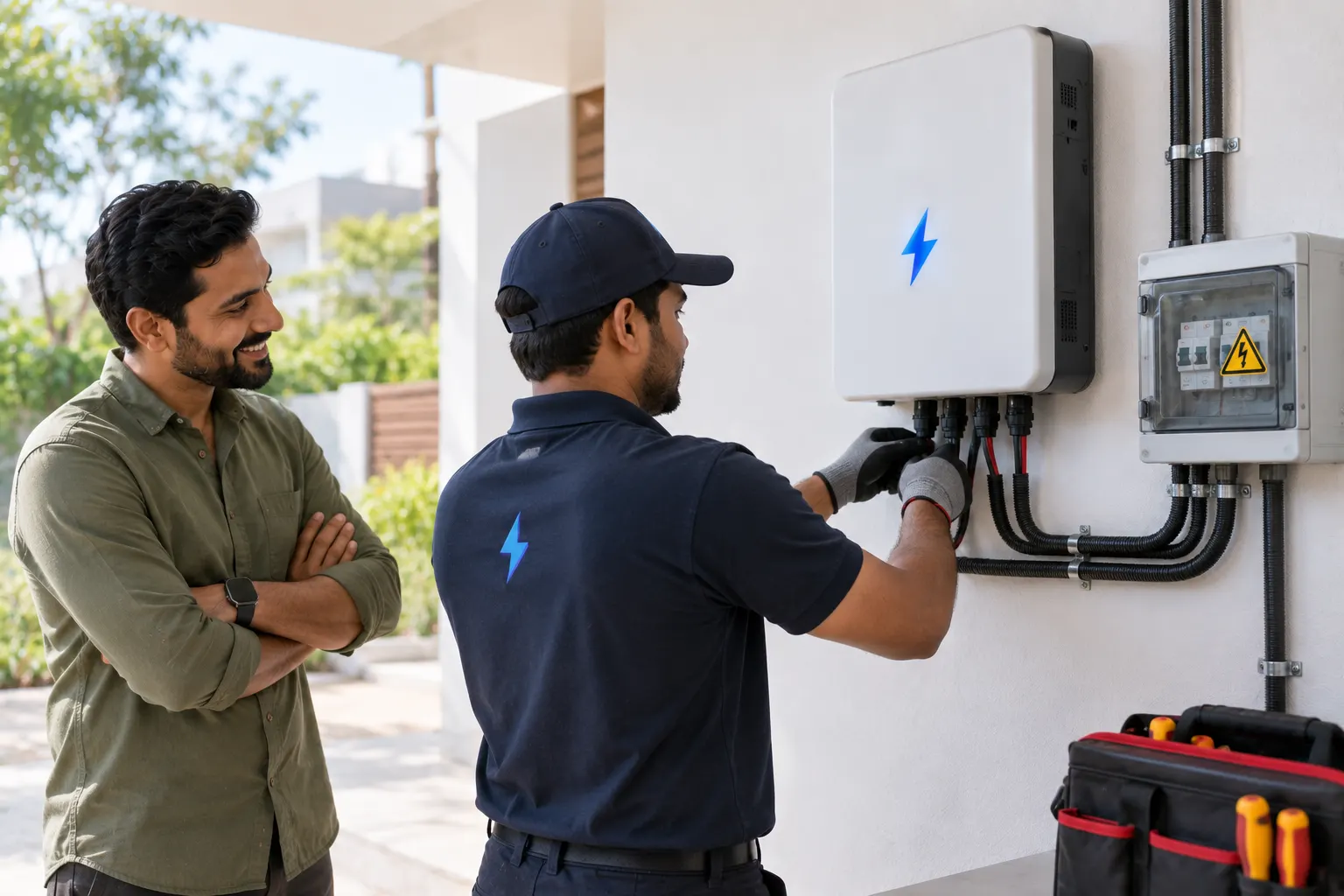
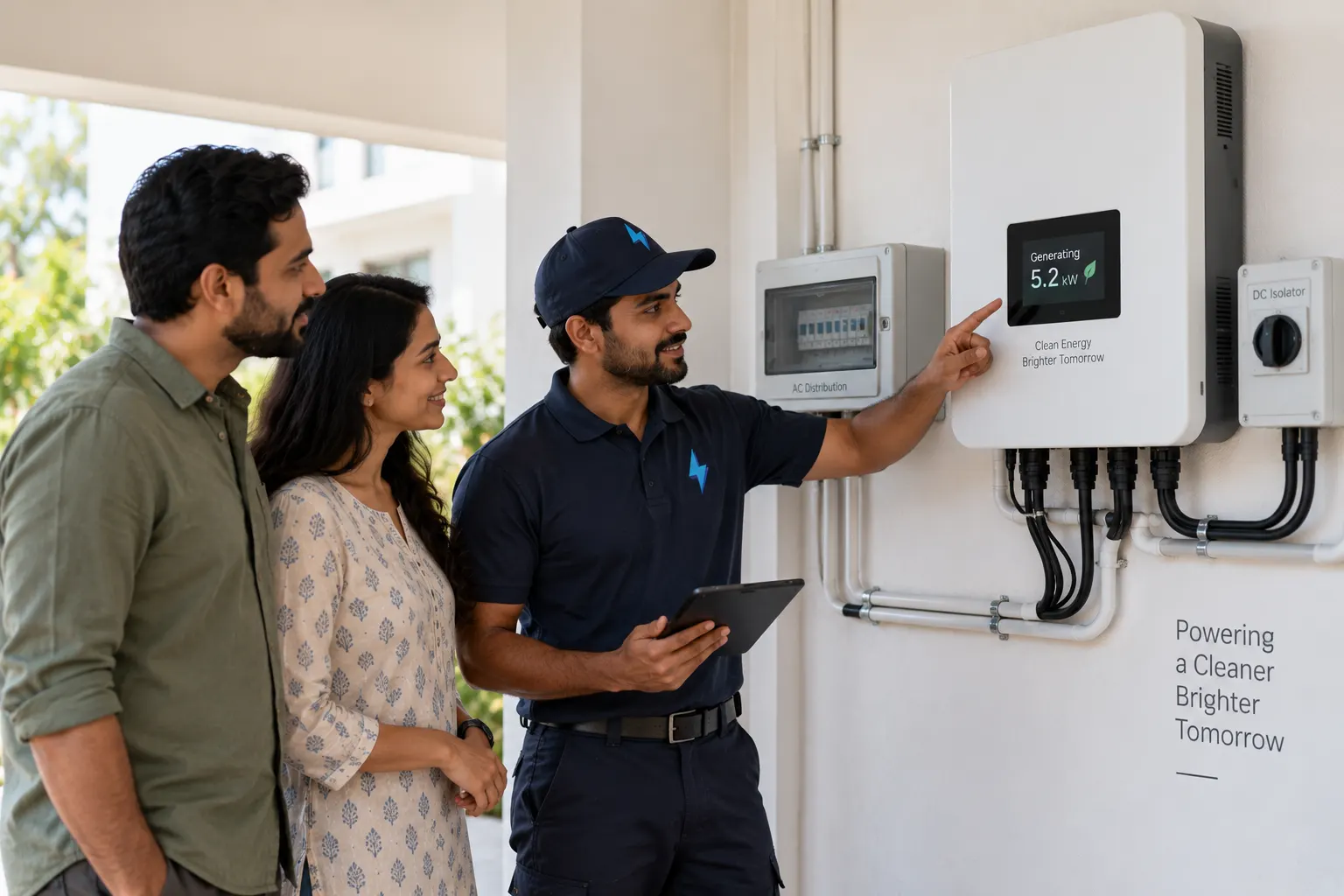
Technician explaining the inverter display to a couple
Live at handover
Installers carrying a module up rooftop stairs
Panels up in a day
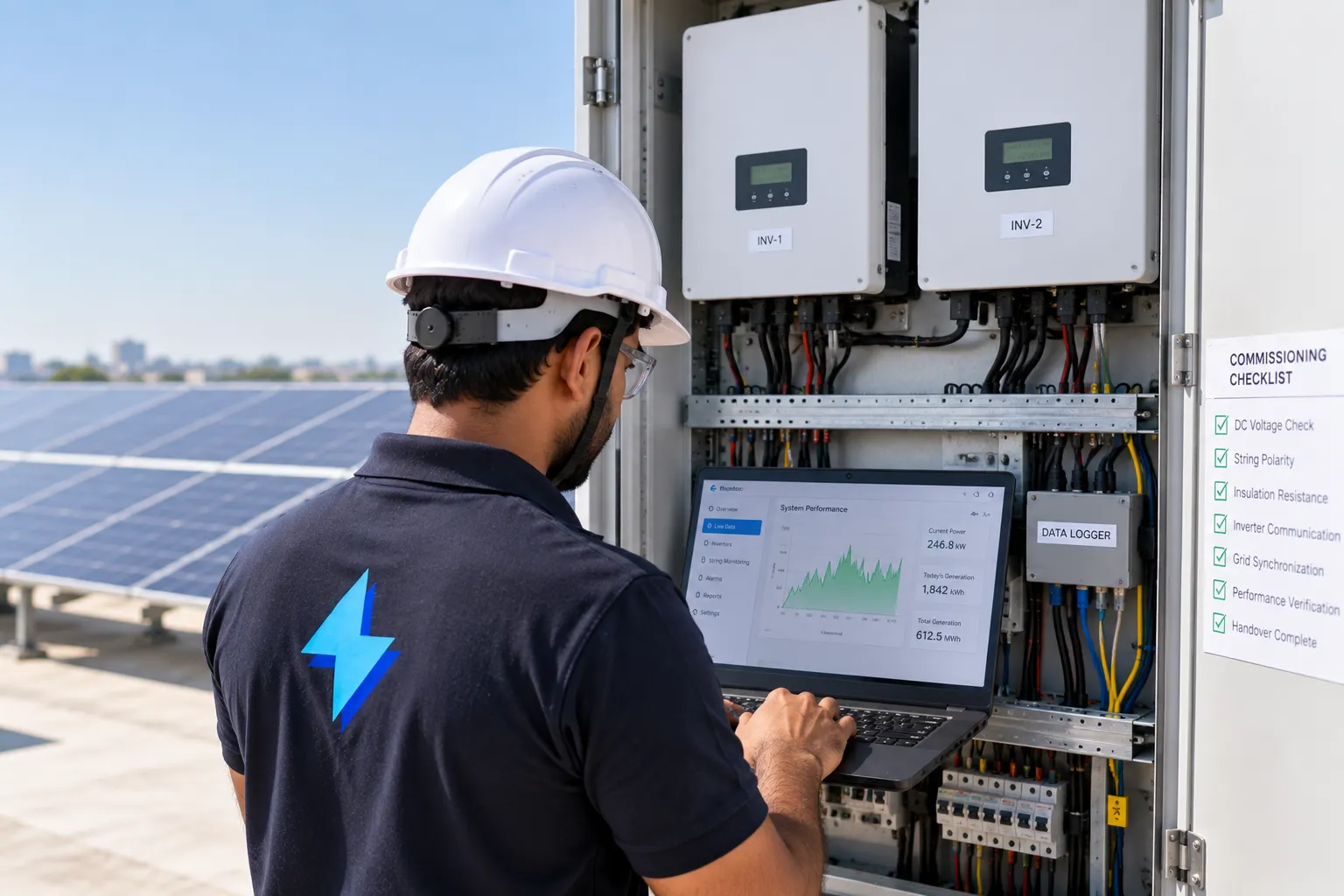
Engineer commissioning inverters with a laptop
Commissioned string by string
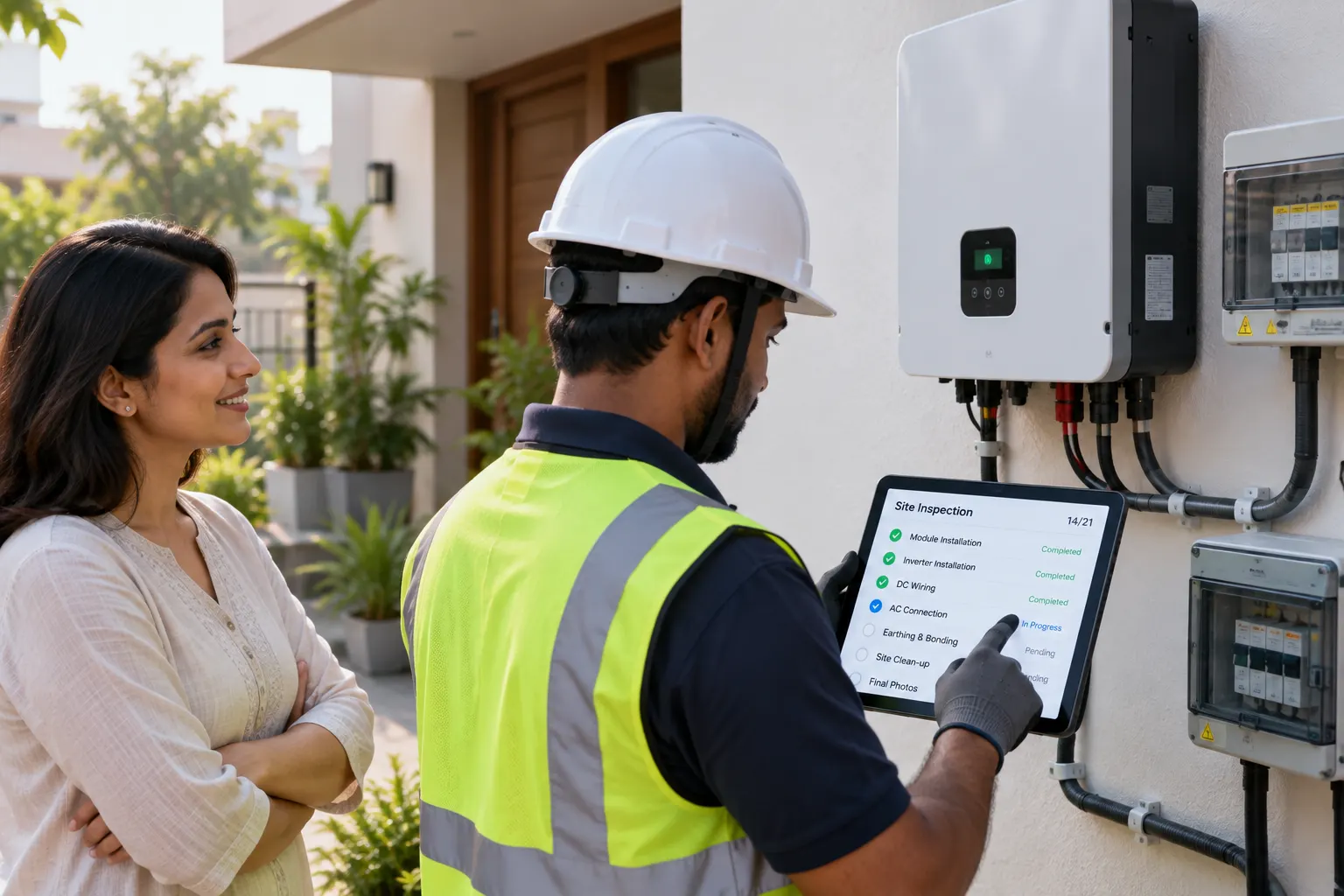
Installer ticking the site-inspection checklist
21-point inspection
The case for on-grid

Why go on-grid?

Homeowner watching the day's generation in the RePrime app, the array outside the window

The grid becomes your battery: export by day, draw by night, pay only the difference.

The range

Goes with

See the whole ecosystem
Installers carrying a module 25 yr Solar panels
Tier-1, ALMM-listed modules with a 25-year performance warranty.
Technician installing a home inverter 10 yr Battery storage
LFP backup under a 10-year product warranty, switched over the instant the grid drops.
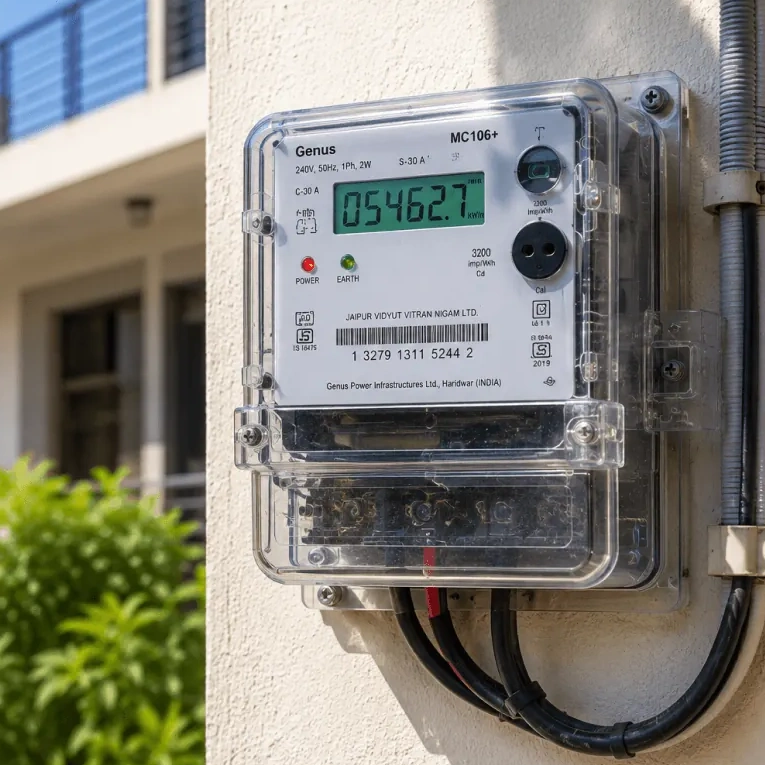
Smart meter on a home wall 2-way Smart meters
Export credited, not estimated — bi-directional metering we file with your DISCOM.
System dashboard on phone and laptop 24/7 ReLink monitoring
Generation, battery health and faults, watched around the clock.
Questions

On-grid, answered

Battery or no battery, what happens at night, and what a system costs after subsidy. Anything else, our team answers on a call — no script, no pressure.

Talk to us

No. The grid plays the part of the battery — surplus units go out through the net meter during the day and you draw them back at night. That is what makes on-grid the cheapest of the three system types.

They do not generate after sunset. The net meter switches to import and the credits you built up during the day are used before you are billed for anything.

A hybrid system adds a battery and a hybrid inverter, so essential loads keep running through a power cut while surplus still gets exported. A plain on-grid system shuts down during an outage.

Indicatively ₹1.80 lakh for 2 kW to ₹6.50 lakh for 10 kW before subsidy, depending on the city. Subsidy then takes ₹30,000 to ₹78,000 off, plus a state top-up in Uttar Pradesh and Delhi.

Find out what your own roof would do

A plan matched to your bill, roof and sanctioned load
Subsidy eligibility checked before you commit
No site visit until you ask for one

Get a free personalized quote

First name and phone are required. The rest is optional.

Do you own your own home?

By clicking below, I authorize RePrime to call me and send text messages about RePrime products and services at the number entered above, even if I am on a do-not-disturb list. Message and data rates may apply. Consent for calls & texts is optional — you can opt out anytime. You also agree to our Terms of Service.

Have questions? Talk to one of our experts
From the blog

Read before you decide

All articles
Solar 101
Net metering in UP and Delhi, explained Your meter runs both ways — but the credit rules, settlement dates and load limits differ by state. A plain reading of both. SK Sandeep Kaul · 28 Jul 2026 · 5 min read
Policy
PM Surya Ghar: what ₹78,000 actually covers The subsidy is paid on system size, not on your bill. Here is how the slabs work, what lands in your account, and the four documents that hold most applications up. AP Aditya Pandey · 12 Aug 2026 · 7 min read
Savings
Why your tariff keeps rising, and how to step off it Slab creep, fuel surcharges and fixed charges have moved faster than headline rates for a decade. The arithmetic behind that. NR Neha Rastogi · 14 Jul 2026 · 4 min read
Savings
Payback, without the optimism How we model break-even: degradation, tariff escalation, cleaning, inverter replacement. All of it, on one page. NR Neha Rastogi · 09 Jun 2026 · 5 min read

Find your payback year.

Send us a recent bill and we size the system, apply the subsidy and show when it pays for itself. No commitment.

Book a call
Get a free quote
RePrime

Clean energy, delivered end to end — from the first savings estimate to live generation on your roof.

MNRE empanelled ALMM listed ISO 9001

Solutions

Residential Commercial Housing societies Industrial Data centres Procurement Roof assessment

Plans & pricing

Plans & pricing

Products

Solar panels Battery storage RePrime app EV charging Smart meters ReLink Intelligence Ecosystem

Meet RePrime

Why RePrime Our guarantee Solar by state Customer stories Equipment for installers Refer and earn Careers

Need help?

Contact us Learn center Why solar Moving made easy FAQs RePrime blog

© 2026 RePrime Energy. All rights reserved.

Additional pages
Calculator Light Component Library Financing Icons 3D Hero Margin A Hero Margin B Hero Margin C Hero Mobile C Landing Plans Section On-Grid Solar Preserved components (archive) Purchase Solar Panels copy Residential Mobile C Residential Solutions Heroes Solution
Terms Privacy policy Manage cookies Editorial guidelines MNRE empanelment