




RePrime
Plans & Pricing
Get a quote

Data centres

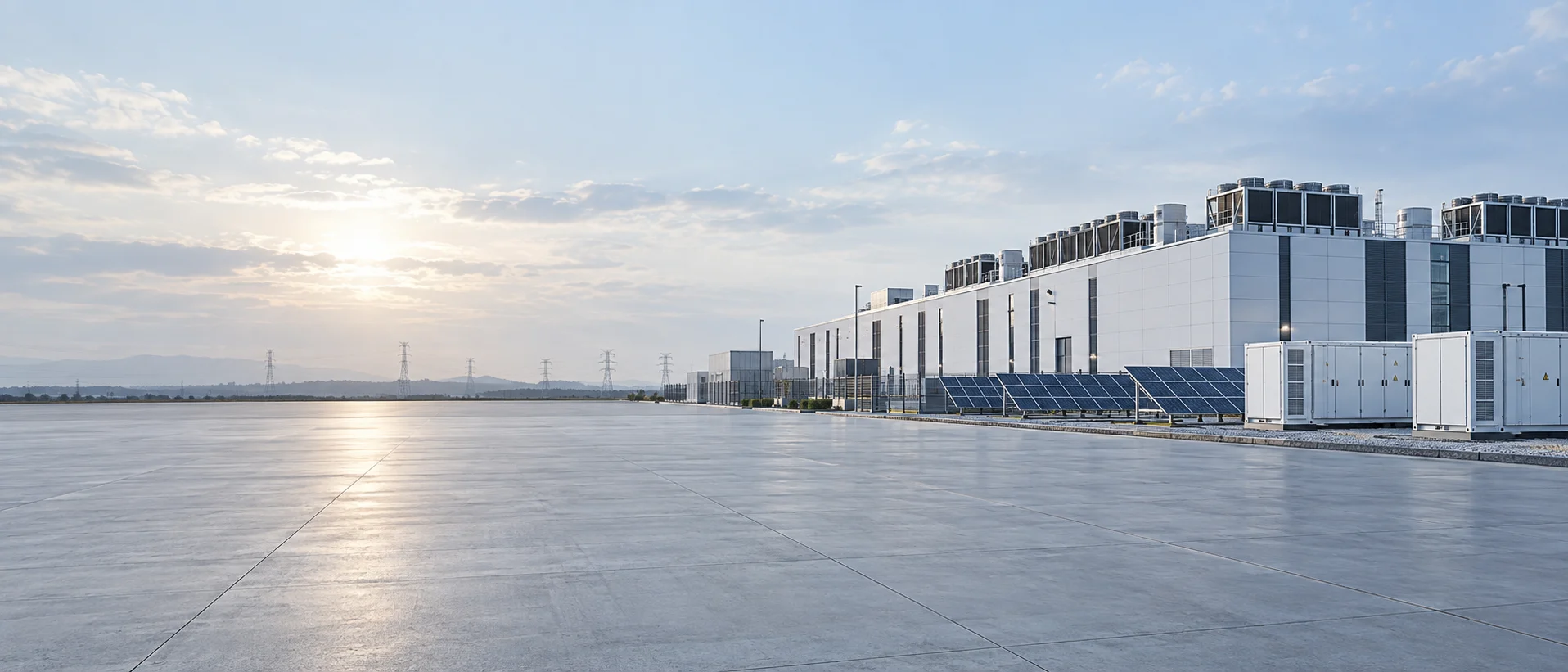
Clean power that holds at 3am.

Contracted renewable supply for colocation and hyperscale loads — solar, wind and storage combined into a portfolio that follows your consumption hour by hour, at a cost you can lock in.

Get a quote
See delivery routes
The load you are planning for

Power is the constraint, and the second-largest cost.

Energy dominates opex. Power and cooling are the largest recurring cost once the racks are filled. A fixed tariff removes the volatility.

Annual offsets no longer pass. Enterprise customers increasingly ask for hourly carbon-free energy, not annual REC arithmetic.

Efficiency alone runs out. Once PUE is tuned, the remaining lever is the carbon and cost of the units you buy.

Uptime is not the trade-off. If contracted generation falls short, the grid covers it automatically. Uptime never depends on the sun.

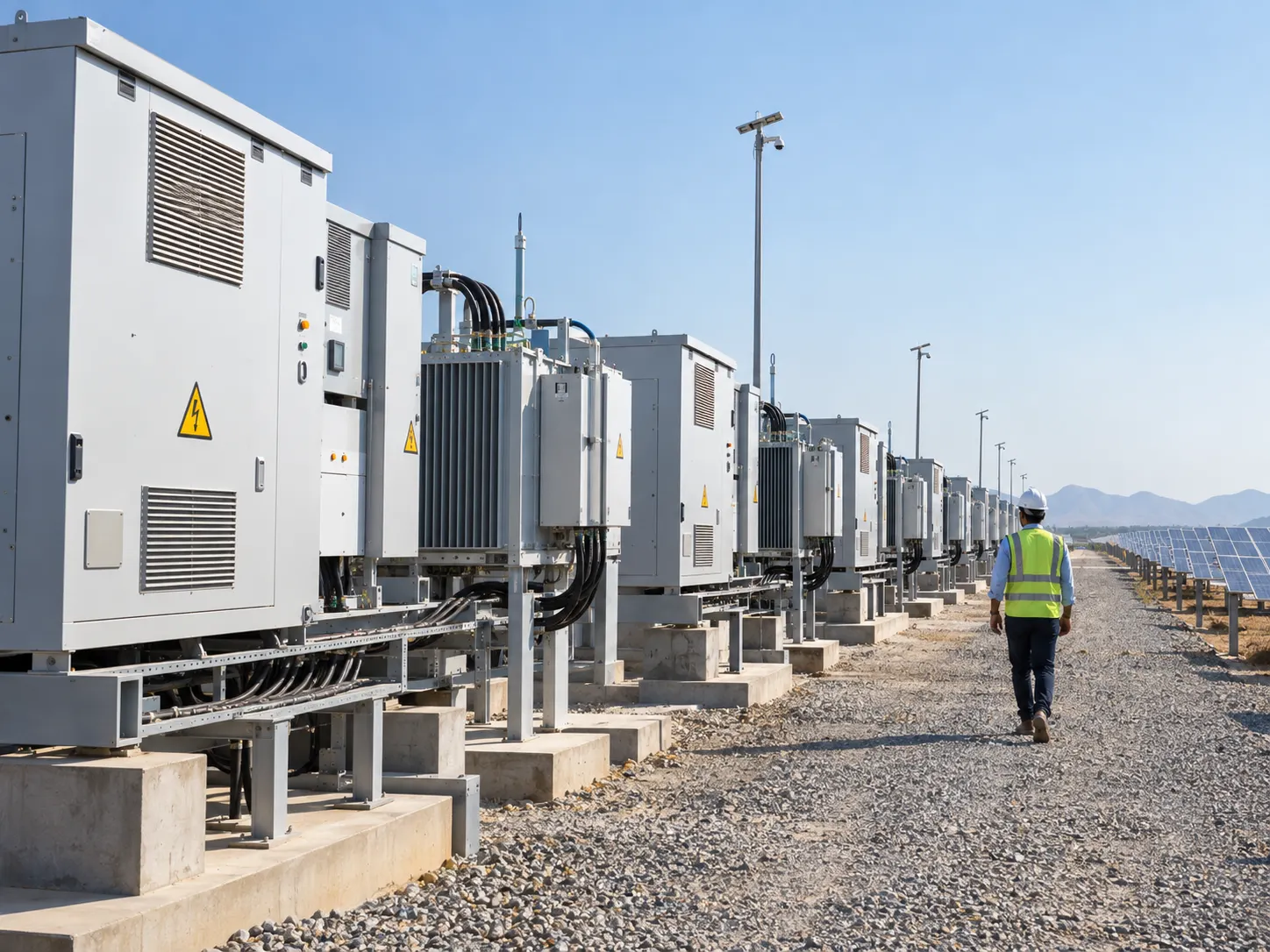
A row of battery storage enclosures at a solar plant

40%+

of opex goes on energy

Power and cooling, once the racks are filled. A fixed tariff takes the volatility out of it.

Round-the-clock portfolio

Four assets covering one flat load curve.

Solar for the daytime base, wind when solar is not generating, storage to shift midday surplus into the night, and the grid for the residual — reported honestly, not papered over with offsets.

Each part of the portfolio
An aerial view of a solar park at golden hour

1Utility-scale solar

The daytime base of the portfolio, sited for irradiance.

Solar panels
Wind turbines turning above a row of solar modules

2Wind complement

Peaks when solar does not, lifting overnight cover.

Wind turbines
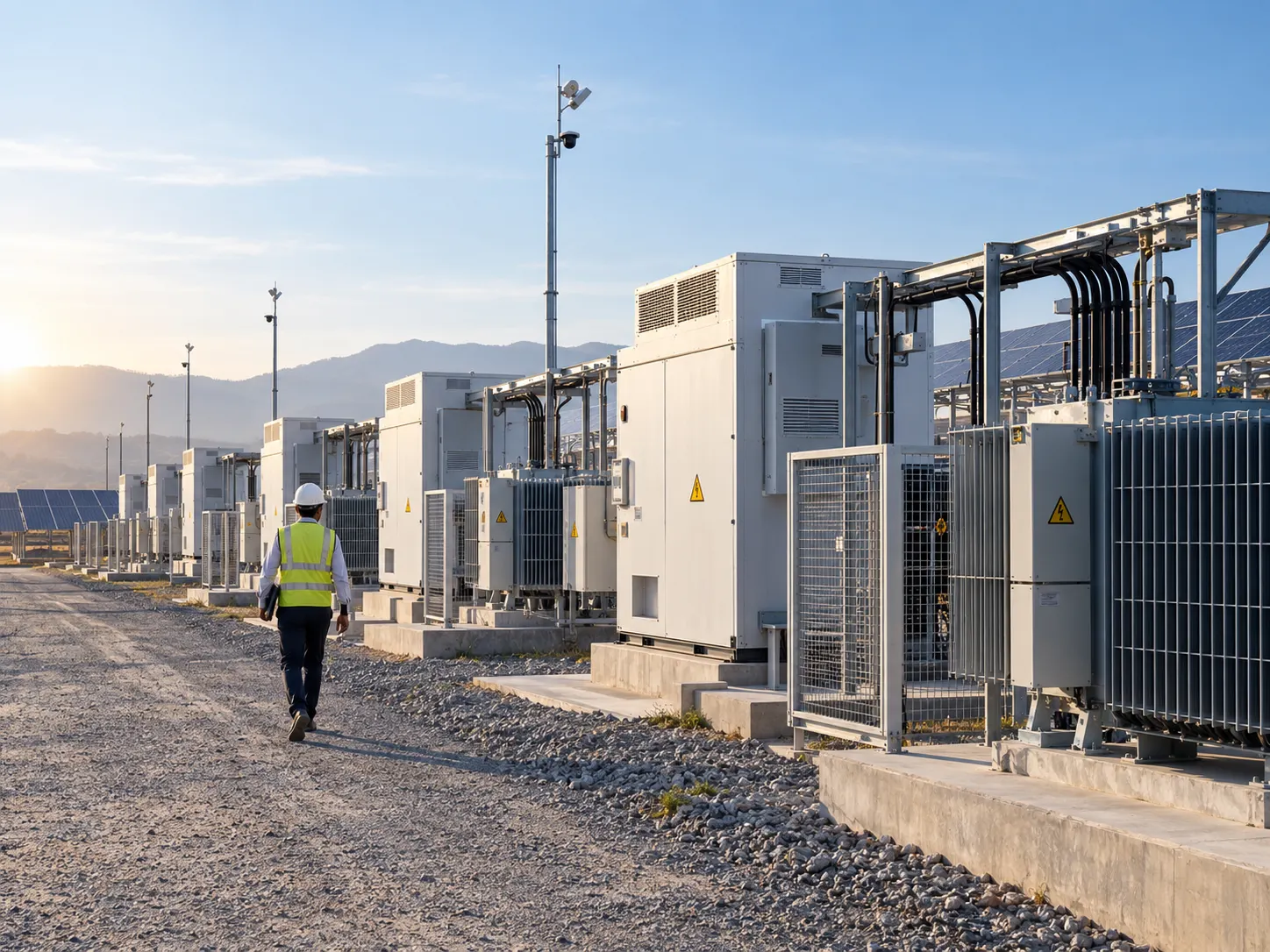
A row of battery storage enclosures at sunset

3Grid-scale storage

Shifts midday surplus into your evening and night.

Battery storage
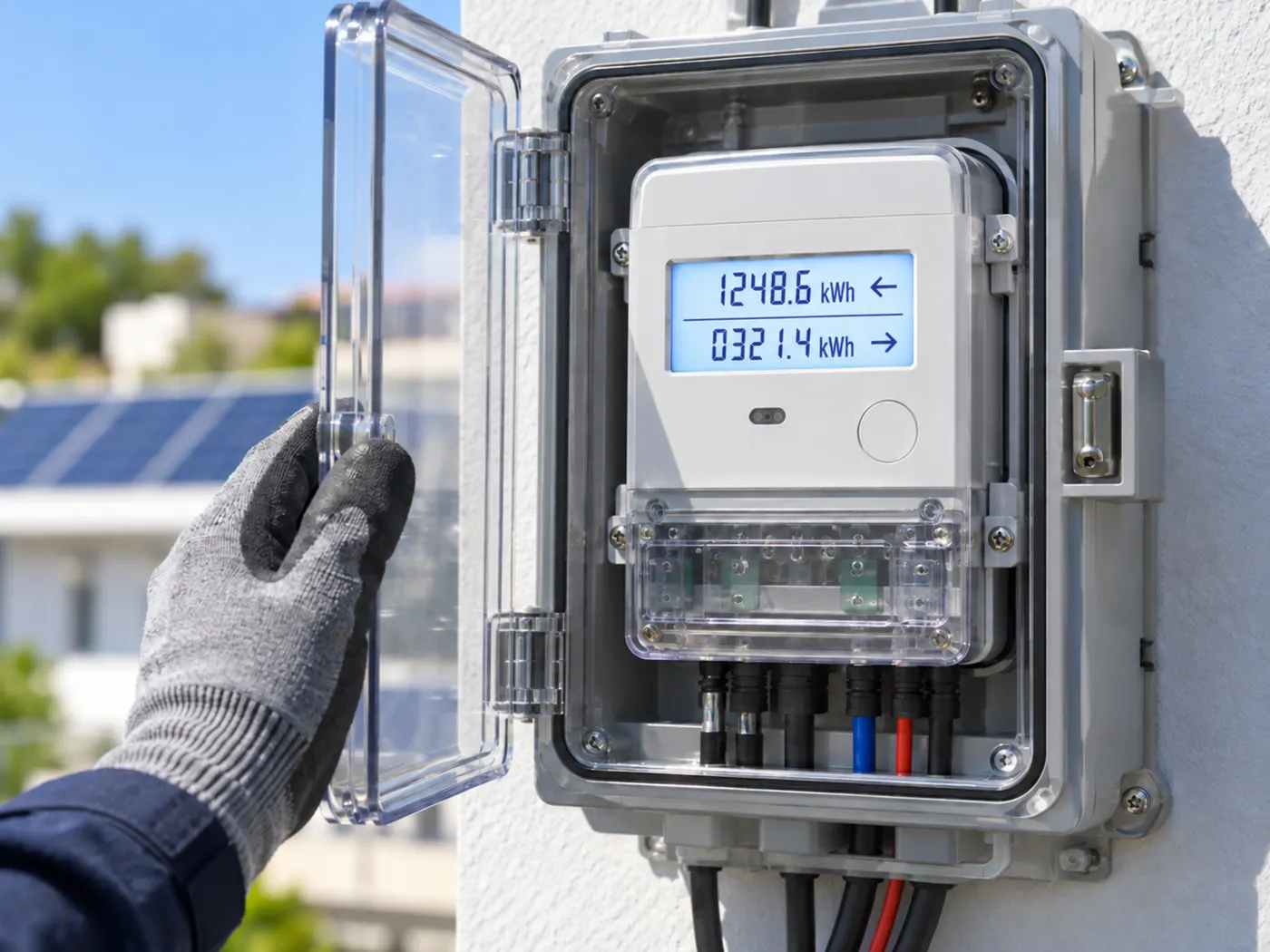
A gloved hand opening the cover of a bi-directional meter

4Smart meters

Generation and consumption, metered in 15-minute blocks.

Smart meters
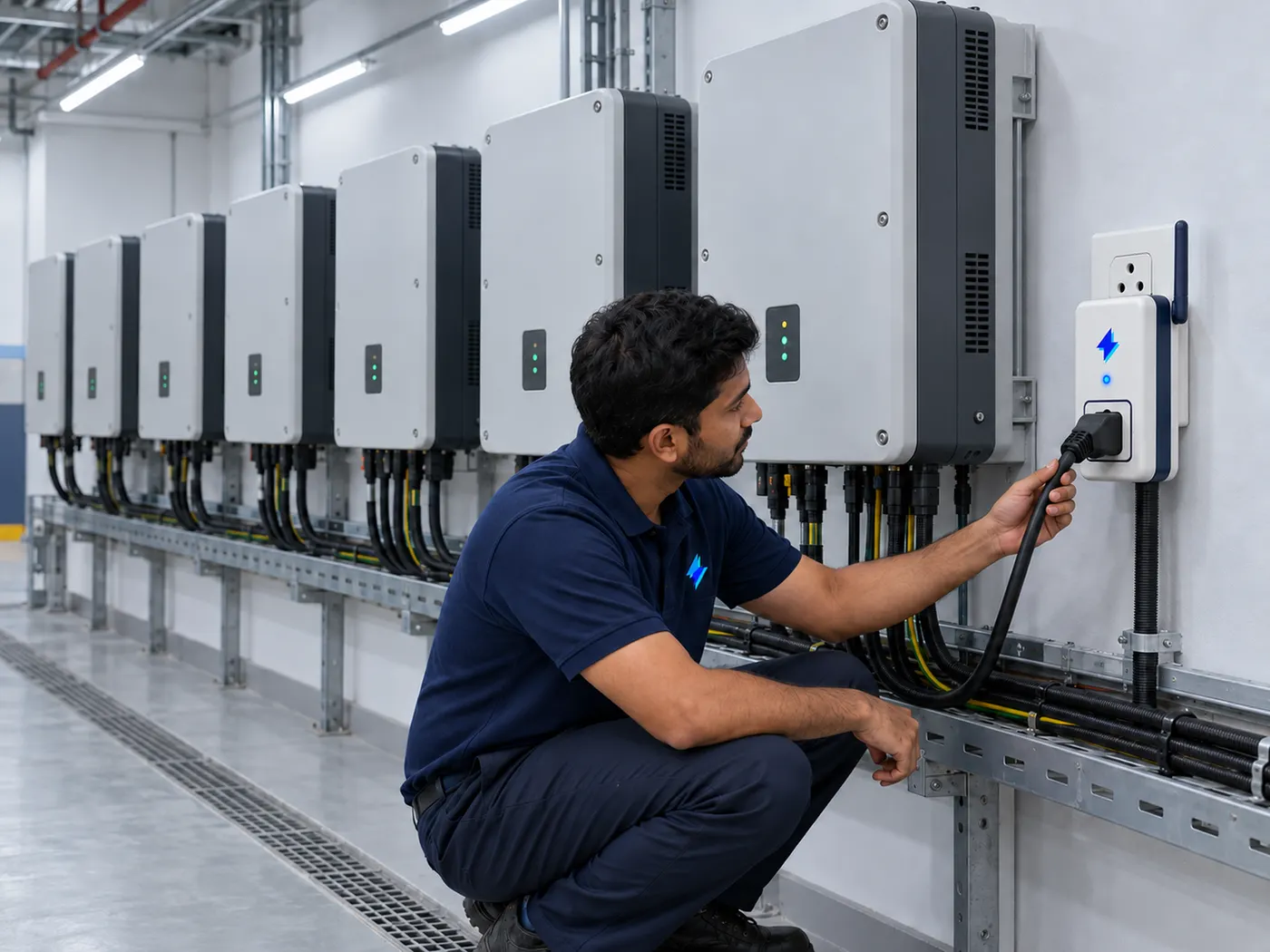
A bank of industrial inverters fitted with ReLink monitoring

5ReLink monitoring

Live telemetry, with alerts in the app and on WhatsApp.

ReLink
The RePrime dashboard open on a phone and a laptop

6Intelligence Ecosystem

One platform from sizing to service, as one journey.

Intelligence Ecosystem
Delivery routes

On your campus, or wheeled in over the grid.

Both routes arrive through your existing connection under one contract. They differ in where the generation sits, and how much of your load it can carry.

Two engineers reviewing a rooftop solar array on a commercial building Behind the meter

On-site generation

Rooftop and canopy solar on the campus itself.

Feeds the facility directly, with no wheeling losses
₹2.90/kWh levelised
Typically 5–15% of your load
Uses the roof and parking you already have

Best if

You own the campus and want its roof and parking generating.

Model on-site supply
An aerial view of a large solar park feeding open-access supply Most chosen

Open access

Utility-scale solar and wind, wheeled to your connection.

Delivered through the state grid under long-term contract
₹3.10–3.60/kWh
Typically 50–80% of your load
Contracts of 10–25 years

Best if

Your load is multi-MW and always on.

Model open-access supply
The first year

From term sheet to first unit.

A load study, a contract, the approvals and the build. Metered supply begins at month twelve, with hourly matching reports from the first billing cycle.

1
Engineers reviewing a facility's connection at its substation

Load and site study

Hourly consumption data, connection details and a matching model for your facility.

Weeks 1–3
2
Engineers working through plans on a table beside a solar park

Term sheet

Route, tariff, tenure and escalation agreed, with the matching target written in.

Weeks 4–8
3
Engineers reviewing a schematic at a solar park under construction

Approvals and PPA

Open-access permissions, wheeling and banking agreements, and the executed PPA.

Months 3–5
4 Supply starts
A crew mounting modules onto the structure at a solar park

Build and connect

Generation assets constructed, tested and synchronised to the grid.

Months 5–12
Reporting your auditors accept

Hourly data, not annual averages.

Every unit is time-stamped and traceable to the asset that generated it, so your Scope 2 disclosure and customer commitments rest on metered evidence.

An energy reporting dashboard with hourly matching and emissions data

Matched hour by hour

A monthly hourly-matching statement for every facility.

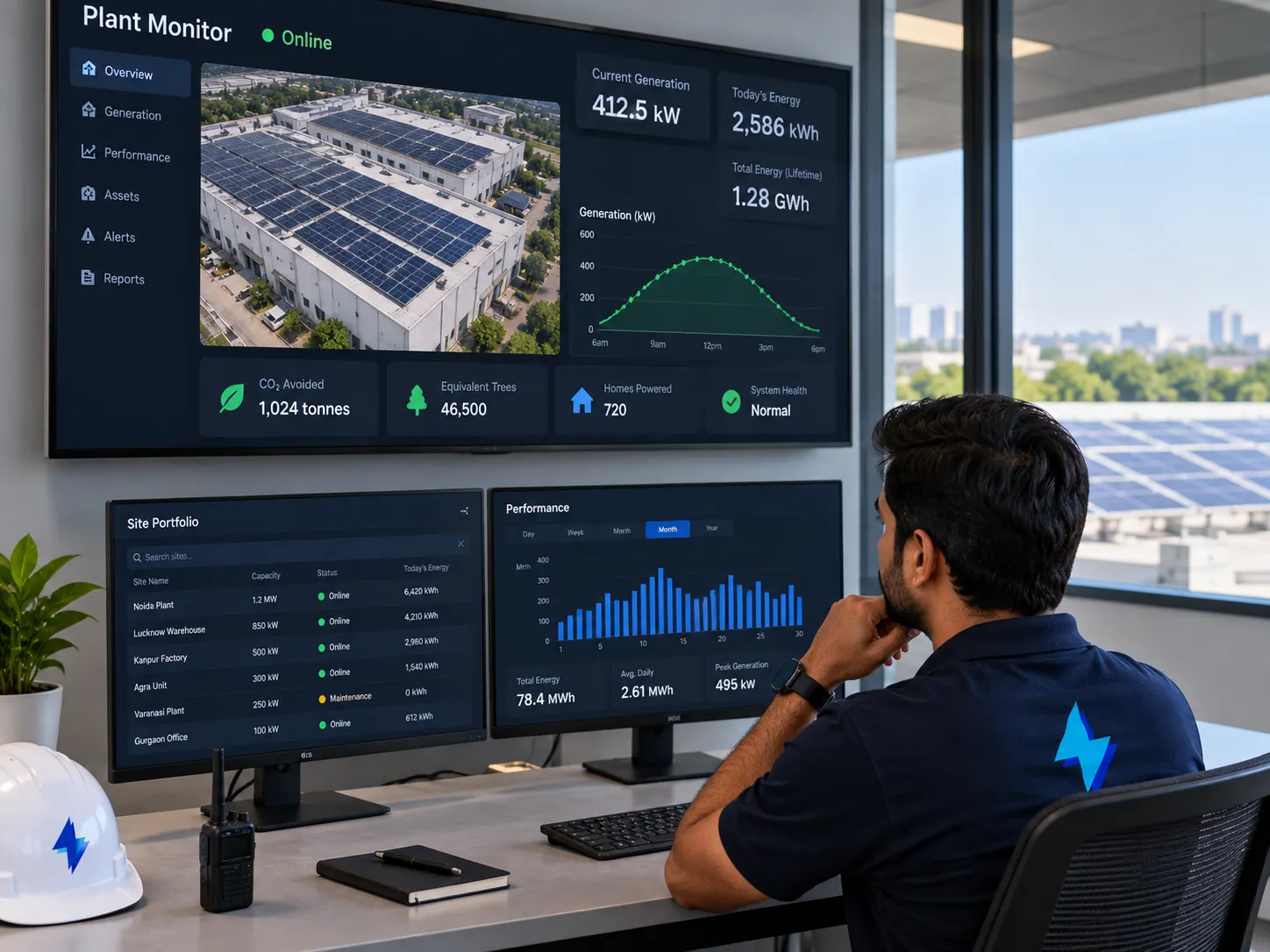
An engineer reviewing plant performance on a wall of monitors

Scope 2, ready for assurance

A market-based emissions summary, ready for your auditors.

An operations team at their desks under a live generation map

Every unit traceable

15-minute data, kept for the term, traced to the asset.

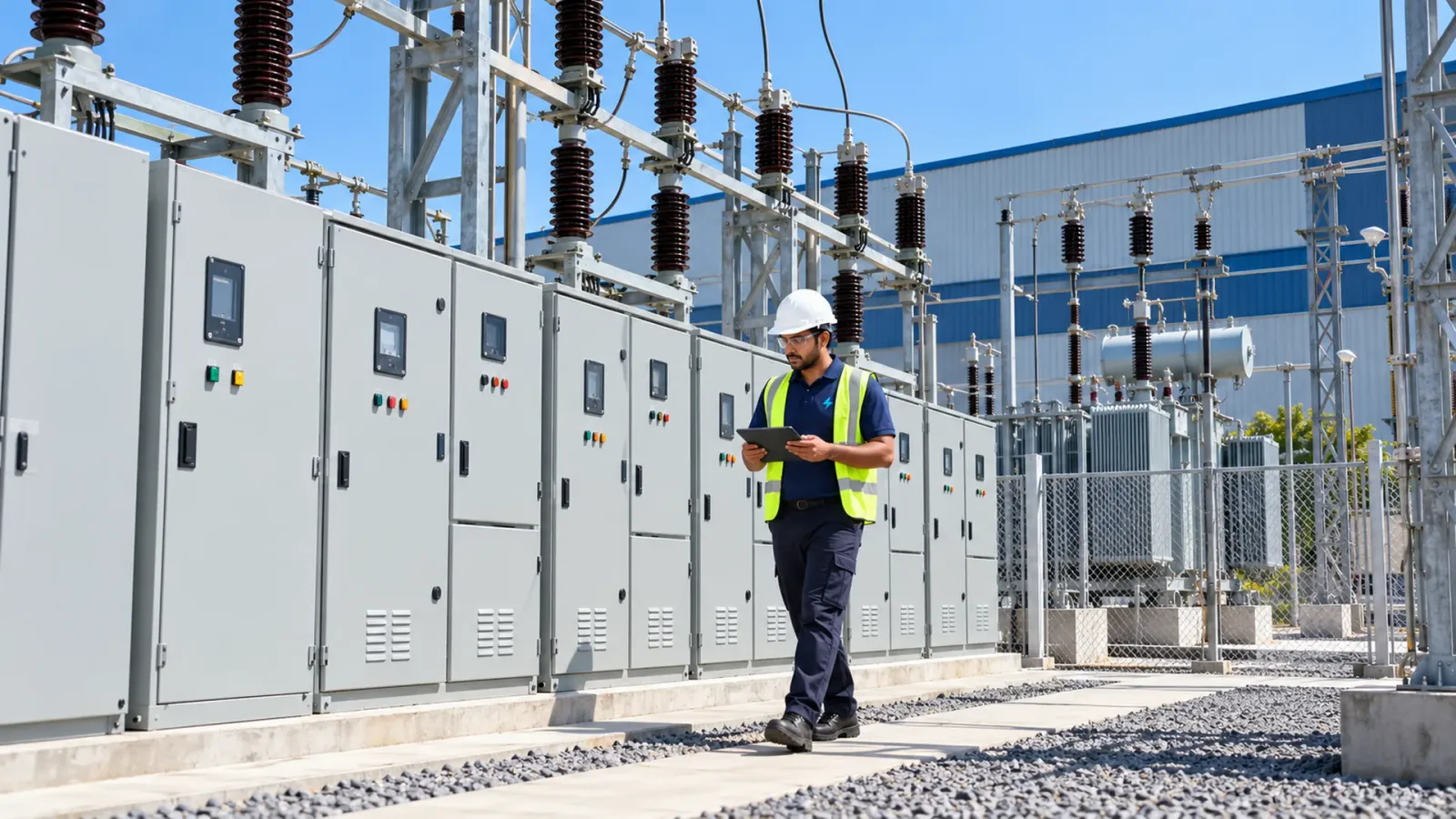
An engineer walking past switchgear at a substation

The grid covers any shortfall

Deviation is settled under the PPA; uptime never depends on it.

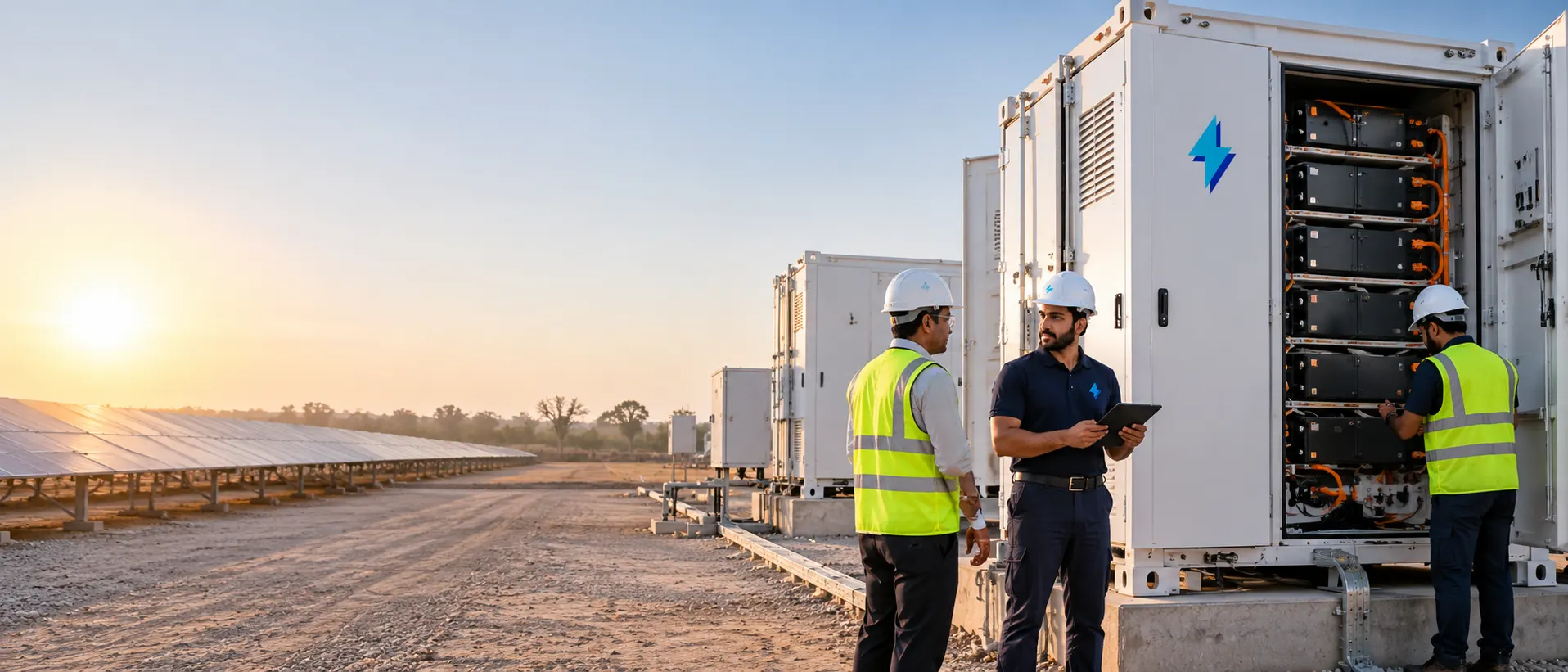
Engineers beside open battery storage enclosures at a solar park at dusk

What the contract holds us to.

99.95%

Contracted supply availability

N+1

Redundancy across generation sources

< 20 ms

Storage transfer on grid disturbance

0

Changes required to your UPS or genset layer

“Nothing inside the facility changed. The clean supply sits underneath the UPS and the gensets, and the hourly report goes straight to our auditors.”

HO Head of facilitiesColocation operator — TODO: real name and site

“Our customers stopped asking about annual offsets once we could show them matching hour by hour, with the metered data behind it.”

HO Head of sustainabilityData centre operator — TODO: real name and site
A technician checking a connector on a solar array
Questions

Questions from infrastructure teams.

The connection, shortfalls, matching and scale. Anything not here, our team answers on a call — no script, no pressure.

Talk to us

No. Open-access and group-captive supply arrive through your existing connection. On-site generation ties in at the LT or HT panel during a planned window.

The grid covers the shortfall automatically and the deviation is settled under the PPA. Your facility never depends on generation availability for uptime.

Generation and consumption are both metered at 15-minute blocks and compared hour by hour. The matched percentage is reported monthly with the underlying data available for audit.

Yes. Most customers begin with on-site solar and a partial open-access contract, then expand the contracted volume as racks fill.

Open-access supply is live in UP, Haryana and Rajasthan, with wheeling arrangements under development in neighbouring states. On-site generation is available anywhere our crews operate.

Model your site's supply.

Share your hourly consumption and connection details, and we build a matching model for your facility.

Book a call
Get a free quote
Other solutions

Not a data centre? We size the other loads too.

A home with a rooftop solar array
Residential
A housing society's towers with a shared rooftop array
Housing societies
A commercial rooftop array above an office block
Commercial
An industrial shed roof covered in solar
Industrial
Engineers assessing a roof before installation
Roof assessment
Modules and components staged for delivery
Procurement
RePrime

Clean energy, delivered end to end — from the first savings estimate to live generation on your roof.

MNRE empanelled ALMM listed ISO 9001

Solutions

Residential Commercial Housing societies Industrial Data centres Procurement Roof assessment

Plans & pricing

Plans & pricing

Products

Solar panels Battery storage RePrime app EV charging Smart meters ReLink Intelligence Ecosystem

Meet RePrime

Why RePrime Our guarantee Solar by state Customer stories Equipment for installers Refer and earn Careers

Need help?

Contact us Learn center Why solar Moving made easy FAQs RePrime blog

© 2026 RePrime Energy. All rights reserved.

Additional pages
Calculator Light Component Library Financing Icons 3D Hero Margin A Hero Margin B Hero Margin C Hero Mobile C Landing Plans Section On-Grid Solar Preserved components (archive) Purchase Solar Panels copy Residential Mobile C Residential Solutions Heroes Solution
Terms Privacy policy Manage cookies Editorial guidelines MNRE empanelment